Fall Home Care Guide for New York Homeowners
Home Maintenance, Fall Plumbing & Heating
Fall Home Care Guide for New York Homeowners
Prepare Your Plumbing, Heating & Hot Water Systems for the Colder Months Ahead
Fall in New York brings cooler temperatures, colorful leaves, and the perfect opportunity to prepare your home for winter.
After months of warm weather, your heating system is getting ready to work again, outdoor plumbing needs attention, and your home's essential systems could use a little care before freezing temperatures arrive.
For homeowners in Tarrytown and throughout Westchester County, taking a few simple steps in the fall can help prevent unexpected plumbing and heating problems when winter settles in.
Your home should be a place of warmth and comfort, not a source of worry when the temperature drops.
Here's how to get your plumbing, heating, boiler, and hot water systems ready for the season ahead.
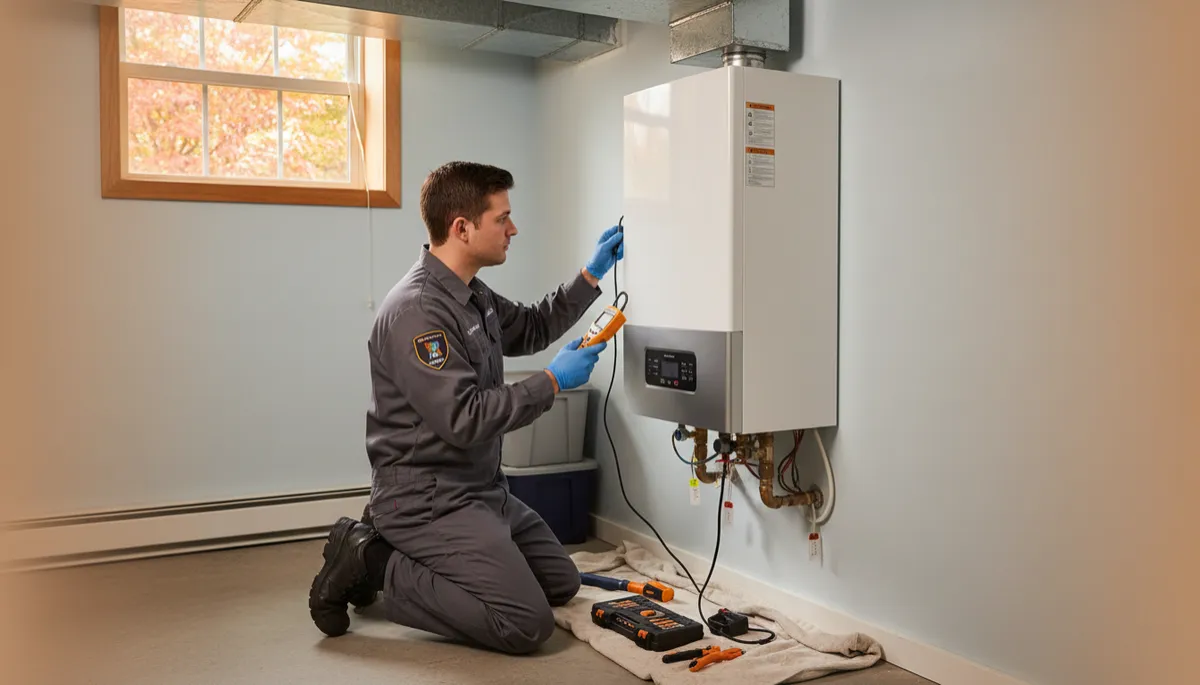
1. Schedule a Boiler or Heating System Tune-Up
Your heating system has likely been resting for much of the summer. Before the colder weather arrives, fall is a great time to make sure it's ready to keep your home comfortable.
Boilers and furnaces benefit from regular professional maintenance. An inspection can help identify worn components, performance concerns, or small issues that deserve attention before heating season begins.
What to check:
Unusual noises when the heating system starts
Radiators or rooms that aren't warming evenly
Leaks or changes in boiler pressure
A thermostat that isn't responding properly
Heating equipment that hasn't been serviced in the past year
If your home uses hot-water radiators, trapped air may sometimes prevent them from heating properly. A professional can determine whether the radiators need bleeding and check the system's pressure afterward.
A little attention now can help you feel more confident when it's time to turn up the heat.
2. Prepare Outdoor Faucets and Hoses for Freezing Weather
As temperatures begin to fall, it's easy to forget about outdoor faucets and garden hoses.
But water left inside exposed plumbing can freeze when temperatures drop below freezing. This can put pressure on pipes and fittings, potentially causing cracks or leaks.
Taking care of outdoor plumbing before the first freeze is one of the simplest ways to prepare your home for winter.
What to check:
Garden hoses that are still connected to outdoor faucets
Outdoor faucets that drip or show signs of damage
Exterior water supply valves that may need to be shut off
Water remaining in outdoor plumbing lines
Sprinkler systems that need winterization
Disconnect and drain your garden hoses, then store them somewhere protected from freezing temperatures.
If your outdoor faucet has a dedicated indoor shut-off valve, close it and drain the line according to the fixture's design.
These small steps help protect plumbing that might otherwise go unnoticed until spring.
3. Insulate Exposed Pipes Before the First Freeze
New York winters can bring extended periods of freezing temperatures, especially in basements, garages, crawl spaces, and other areas without consistent heating.
Pipes in these spaces may be more vulnerable to freezing.
Fall is an ideal time to identify exposed plumbing and make sure it's properly protected.
Look for:
Uninsulated pipes along exterior walls
Plumbing in unheated basements or crawl spaces
Gaps around pipes where cold air can enter
Drafty areas near plumbing fixtures
Pipes in garages or other spaces exposed to cold air
Adding appropriate pipe insulation and sealing nearby air leaks can help reduce exposure to freezing temperatures.
It's also helpful to know where your home's main water shut-off valve is located. If a pipe ever develops a major leak, knowing how to turn off the water can help you respond quickly.
You don't need to know everything about your plumbing system. A few basic precautions can make you a more prepared homeowner.
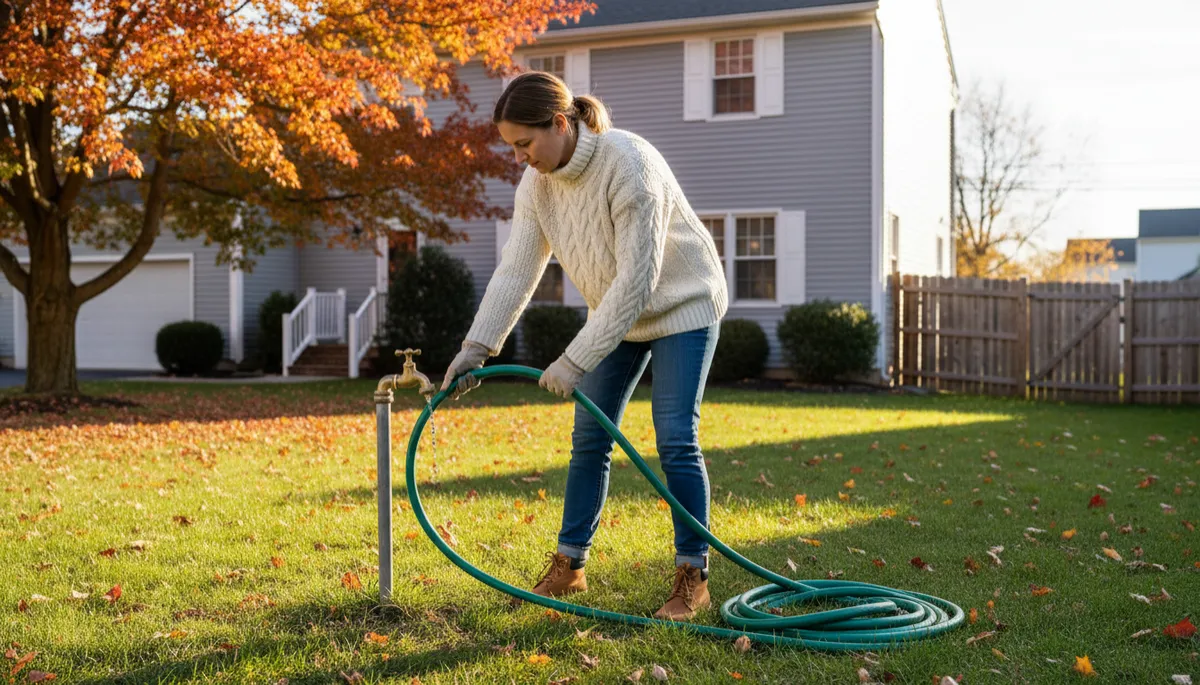
Taking a few minutes to drain outdoor lines can help them weather winter more smoothly.
4. Check Your Water Heater Before Winter
There's nothing quite like a warm shower on a chilly morning.
Your water heater works throughout the year, but colder incoming water temperatures and household demand can make reliable hot water especially important during winter.
Fall is a good time to check whether your system is performing as expected.
Look for:
Hot water that runs out sooner than usual
Inconsistent water temperatures
Rumbling or popping noises from the tank
Moisture or leaks around the unit
Rust-colored hot water or visible corrosion
These signs don't always mean your water heater needs replacing. Sometimes maintenance or a repair may be enough.
If your unit is getting older, a professional inspection can help you understand its condition and whether it's time to consider a replacement.
The goal is simple: dependable hot water when your family needs it.
5. Check Your Sump Pump After Fall Rains
Fall weather in the Hudson Valley can bring periods of heavy rain, leaving basements and lower-level spaces vulnerable to unwanted moisture.
If your home has a sump pump, it's worth checking that the system is operating properly before winter.
A sump pump helps move collected water away from your home's foundation, but it needs to be in working condition to do its job.
What to check:
Debris collecting inside the sump pit
A float switch that appears stuck
Water that isn't draining properly
Unusual noises while the pump operates
Discharge pipes that are blocked or damaged
Follow the manufacturer's instructions when testing your sump pump, and avoid reaching into the pit while the equipment is powered.
If the pump isn't working as expected, arrange for a professional evaluation.
A quick seasonal check can help you stay ahead of potential water problems.
6. Check Carbon Monoxide Detectors and Home Safety Basics
As heating season begins, it's also a good time to review a few important home safety essentials.
Fuel-burning boilers, furnaces, and water heaters require proper operation and ventilation. Carbon monoxide is especially important to be aware of because it cannot be seen or smelled.
Working carbon monoxide detectors provide an important layer of protection for your household.
What to check:
Carbon monoxide detectors are installed in the required locations
Detectors pass their test-button checks
Batteries are replaced when needed
Detectors haven't reached their replacement date
Heating equipment and exhaust vents are free from visible obstructions
Follow manufacturer instructions and New York requirements for detector placement and maintenance.
If a carbon monoxide alarm sounds, leave the home immediately and contact emergency services from outside. Never ignore an alarm or assume it's a false warning.
Professional heating maintenance is another important part of keeping your home's systems operating safely.
Get Your Home Ready for a Comfortable Winter
Fall is a season of preparation, and your home deserves the same attention.
From checking your boiler and insulating exposed pipes to maintaining your water heater and protecting outdoor plumbing, a few thoughtful steps can help you head into winter feeling more prepared.
You shouldn't have to spend the colder months wondering whether your plumbing or heating system will hold up.
At Edward Broe Plumbing & Heating, we understand how important it is to have a comfortable, dependable home. As a local plumbing and heating professional serving Tarrytown and surrounding communities, Ed provides personal service, clear explanations, and practical recommendations based on your home's needs.
Ready to prepare your home for colder weather?
Call Edward Broe Plumbing & Heating to schedule your service and get straightforward guidance on keeping your home's essential systems in good working order.
Because a comfortable home starts with knowing you're prepared.